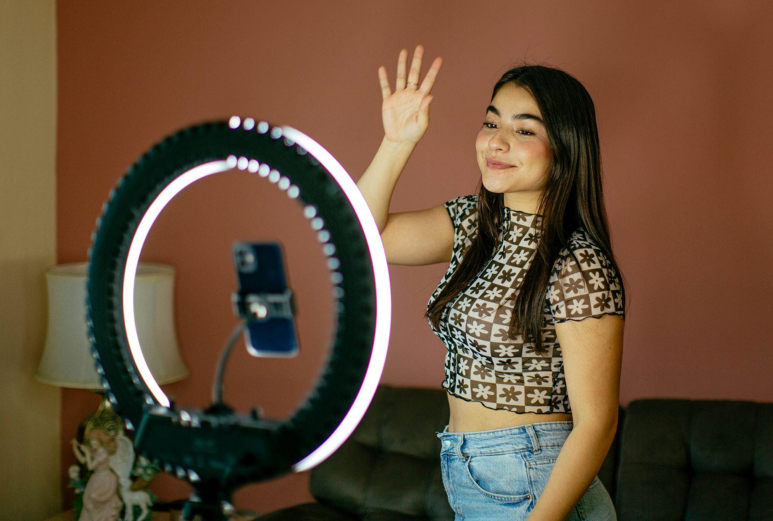

At some point, learning about TikTok Shop can start to feel like a full-time job. You open TikTok to find one answer and end up watching twenty videos. One seller explains how they find products. Another talks about affiliates. Someone else says the real trick is going live. You save a few videos, follow some new accounts and tell yourself you’ll sort through it all later.
Then later comes around. You still don’t know which advice to use. I’ve run into this problem enough to realize that the hardest part isn’t always finding information. Sometimes it’s knowing what to ignore.
Everyone Has a Method
The interesting thing about TikTok Shop advice is that much of it can sound convincing. A seller shows what worked for them, and there’s usually a good reason it worked. Maybe they found a product with the right demand. Maybe a creator happened to connect with the audience perfectly. Maybe they had already spent months learning what not to do.
The problem comes when we take the result and copy the visible part. If someone says, “This is how I find winning products,” it’s tempting to copy their process without asking whether the conditions behind their decision apply to us.
That’s especially difficult when you’re new. You don’t have enough experience yet to separate a useful principle from somebody else’s personal formula. So you keep collecting formulas. Eventually, you’re following too many.
I Started Noticing How Much Advice Contradicts Itself
One person will tell you to test as many products as possible. Another will tell you to focus on one. Someone recommends reaching out to a huge number of creators. Someone else says quality matters more than quantity. Neither person necessarily has to be wrong. They may simply be operating under different circumstances.
That was a useful realization for me because it changed how I consumed TikTok Shop content. I stopped asking, “Which creator is right?” I started asking, “What would have to be true for this advice to make sense?”
That’s a much harder question.
It’s also a much more useful one.
Information Doesn’t Give You Judgment Automatically
You can know what product research is and still be bad at choosing products.
You can understand affiliate marketing and still struggle to decide which creators are worth approaching.
You can know that a listing matters and still miss something obvious on your own.
There is a gap between recognizing an idea and being able to use it. That gap gets filled by testing, making mistakes and having some way to review what happened afterwards. This is one reason I understand the appeal of a TikTok Wiz course. The attraction isn’t simply having another place to watch videos.
For someone overwhelmed by disconnected advice, there can be real value in having the subject organized into a process that can actually be worked through. TikTok Wiz describes its education around areas including product research, shop setup, creator partnerships and shop operations. Of course, structure doesn’t make decisions for you. That’s still your job.
The Research Trap Is Real
There’s another problem that doesn’t get talked about enough. Research can become a very comfortable form of procrastination. You can tell yourself you’re preparing while spending another evening watching tutorials. It feels productive because you’re learning something.
But eventually, you have to stop researching and do something with what you’ve learned. Choose a product to investigate.
Work through the numbers.
Build something.
Reach out.
See what happens.
That’s when the gaps in your knowledge become obvious.
And strangely enough, that’s when future research gets better too.
Once you’ve actually tried something, you know what you don’t understand. Instead of searching for “how to succeed on TikTok Shop,” you’re looking for an answer to a much more useful question about the problem sitting in front of you.
What I Want From Advice Now
I don’t expect every piece of TikTok Shop advice to work for me. That would be unrealistic. What I want is enough context to judge it.
- If someone recommends a particular product-research method, I want to understand why they use it.
- If someone talks about creator partnerships, I want to know what kind of shop or product they’re talking about.
- If someone shows an impressive result, I want to understand what happened behind the number rather than assuming the same outcome will follow from copying the steps.
That mindset has made learning less exciting in one way.
I’m not chasing every new tactic anymore.
But it’s made it considerably more useful.
A Learning System Should Help You Filter
That’s probably the biggest distinction I’ve noticed between casually consuming TikTok Shop content and deliberately trying to learn the business. The first gives you ideas. The second should help you decide which ideas deserve your attention.
That doesn’t mean paying for education is automatically better than learning independently. Plenty of people can piece things together from free resources if they’re willing to put in the time. It means recognizing when the problem isn’t access to information anymore.
It’s organization. It’s context. It’s knowing what to do with the information once you’ve got it. And for someone in that position, a structured program can make more sense than opening another hundred browser tabs.
Eventually, You Have to Put the Advice Down
There’s a point where another video isn’t going to tell you what your next move should be. You have to make the call. Maybe you get it right. Maybe you don’t. Either way, you finally have something real to learn from.
That’s the part of TikTok Shop education I find most valuable now. Not the promise of having every answer before you start, but having a better way to think when the answer isn’t obvious. There’s plenty of advice out there. The real skill is learning how to tell which of it deserves to become action.