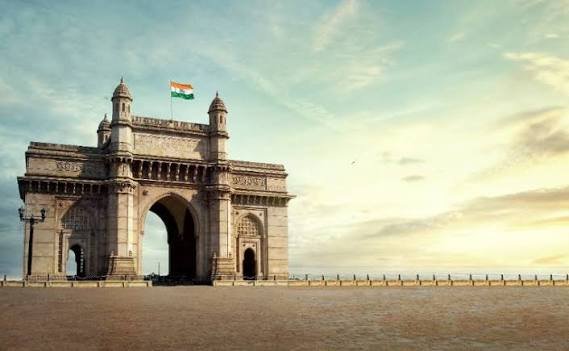

Mumbai, often referred to as the financial hub of India, is a vibrant metropolis that showcases a rich tapestry of cultures, languages, and traditions. This bustling city is home to some of India’s most iconic landmarks, including the Gateway of India and the historic Chhatrapati Shivaji Maharaj Terminus. The diverse population of Mumbai contributes to its dynamic atmosphere, making it an exciting place for tourists and locals alike. The culinary scene is particularly noteworthy, with street food stalls and high-end restaurants offering a variety of delectable options. Visitors can explore the local markets, sample delicious pav bhaji or vada pav, and take in the myriad of sights and sounds that define this thriving urban landscape.
For those planning to travel to Mumbai, Cathay Pacific provides flight services from Brisbane To Mumbai allowing for a convenient journey to this bustling city. The airline is known for its exceptional service and comfortable travel experience, making it a preferred choice for both leisure and business travelers. As you arrive in Mumbai, you will quickly notice the confluence of modern skyscrapers and colonial-era architecture, which tells the story of the city’s evolution over the years. From the bustling streets of Colaba to the serene beaches of Juhu, Mumbai offers a unique blend of experiences. The local transportation system, including the famous local trains and auto-rickshaws, provides an authentic way to navigate the city and connect with its vibrant culture. Whether you’re here for business or leisure, Mumbai never fails to leave a lasting impression, making it a must-visit destination on any travel itinerary.
Chhatrapati Shivaji Terminus
Chhatrapati Shivaji Terminus (CST), originally known as Victoria Terminus, is one of Mumbai’s most iconic landmarks and a significant example of Victorian Gothic architecture in India. Designed by the British architect Frederick William Stevens, the station was completed in 1888 to commemorate the Golden Jubilee of Queen Victoria. With its intricate façade, stunning domes, and elegant arches, CST encapsulates the grandeur of the British Raj while serving as a vital transportation hub for millions of commuters. The building’s ornate stone carvings and vibrant stained glass windows reflect the rich cultural tapestry of Mumbai, blending colonial architecture with Indian elements.
As one of the busiest railway stations in India, CST serves as a crucial junction on the Central and Harbor Lines of the Mumbai Suburban Railway, linking the city with its outskirts and facilitating the daily commute for countless people. The station handles over 3,000 passengers and more than 1,100 trains daily, making it a lifeline for the bustling metropolis. Beyond its role as a transportation hub, CST is also a bustling marketplace. Vendors and shops line the station, providing a dynamic atmosphere that complements the diverse array of travelers passing through its grand archways.
In 2004, CST was designated as a UNESCO World Heritage Site, recognizing its historical and architectural significance. The designation highlighted not only its aesthetic appeal but also its role in Mumbai’s social and economic development over the years. Preservation efforts have been made to maintain the station’s architectural integrity while modernizing its facilities to accommodate the ever-increasing passenger load. This balance of heritage conservation and modernization is key to ensuring that CST remains functional and relevant in the 21st century.
Chhatrapati Shivaji Terminus stands as a symbol of Mumbai’s historical resilience and vibrant culture. As a meeting point of history, architecture, and daily life, it continues to inspire awe in visitors and locals alike. Whether observed from afar on the bustling platforms or while engaged in the transitory hustle of daily commutes, CST remains a testament to the city’s rich heritage and its continuous evolution as a global metropolis.
Colaba Causeway
Colaba Causeway, a bustling artery of Mumbai, is a vibrant melting pot of cultures, creativity, and commerce. This iconic street, connecting the colonial heritage of Colaba to the lively bustle of the city, is known for its eclectic mix of street vendors, chic boutiques, and art galleries. As you stroll along this lively promenade, the air is filled with the delightful aromas of local street food, enticing passersby to indulge in mouthwatering delicacies like vada pav and pav bhaji. With the Arabian Sea shimmering in the background, every step along the Causeway is an invitation to explore.
One of the most captivating aspects of Colaba Causeway is its rich history, interwoven with the essence of Mumbai itself. The architecture here reflects a blend of British colonial influence and traditional Indian design, offering visitors a glimpse into the past as they wander amongst the historic buildings. Notably, the iconic Taj Mahal Palace Hotel stands as a testament to the city’s grandeur, attracting tourists and locals alike. This picturesque area is not just a shopping destination; it is a living gallery of stories, where each corner exudes a charm that transports you through time.
As the sun sets, Colaba Causeway transforms into a vibrant hub of nightlife. Pubs and cafes spill onto the streets, welcoming everyone with chilled drinks and lively music. Visitors can mingle with locals, sharing laughter and stories, as dusk gives way to a lively atmosphere illuminated by twinkling lights. Whether you choose to sip a cocktail at an upscale bar or enjoy a humble street-side chai, the energy here is infectious.
In essence, Colaba Causeway is more than just a street; it’s a cultural experience that embodies the spirit of Mumbai. From its eclectic shopping and delectable street food to its rich cultural heritage and vibrant nightlife, Colaba Causeway beckons travelers from all walks of life, making it a must-visit destination for anyone exploring this incredible city.
Haji Ali Dargah
Visiting Haji Ali Dargah, an iconic mosque and shrine located off the coast of Worli in Mumbai, is an enriching experience, both spiritually and culturally. To make the most of your visit, it’s essential to plan ahead and respect the customs associated with this revered pilgrimage site. Here are some valuable tips for your journey to this beautiful landmark.
Firstly, timing your visit can greatly enhance your experience. Haji Ali Dargah is open to visitors throughout the day, but the best time to visit is during the early morning or late evening. These hours not only allow you to avoid large crowds but also afford a serene atmosphere conducive to reflection and prayer. Additionally, attending the evening aarti, when the shrine is illuminated, offers a unique visual spectacle that highlights the mosque’s architectural beauty.
Dress appropriately as a sign of respect when visiting Haji Ali Dargah. As a religious site, modest attire is encouraged. Women should ideally wear clothing that covers their arms and legs, while men should avoid shorts. Upon entering the shrine, removing your shoes is mandatory. There are designated shoe counters near the entrance, making it convenient to store your footwear securely while you explore the site.
Lastly, be mindful of the local customs and traditions. Visitors are often seen offering flowers, chadar (a decorative cloth), or sweets at the shrine as a mark of devotion. Engaging with the local community, listening to the stories of devotees, and observing the rituals can provide deeper insights into the significance of Haji Ali Dargah. Remember to maintain silence and respect others’ prayers, as the atmosphere is one of reverence and tranquility. By following these guidelines, you can ensure a meaningful and respectful visit to this beloved spiritual landmark.