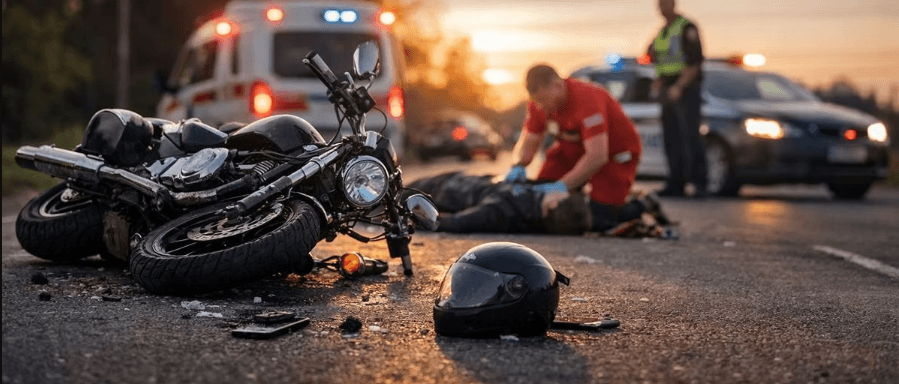

Picture a rider heading down King Avenue on a summer evening when a pickup suddenly turns left across the lane. The driver tells police he never saw the motorcycle. A few days later, the rider gets a call from an insurance adjuster asking how fast he was going and whether he was wearing a helmet. Before the hospital bills even arrive, the question of blame is already shaping the case.
That is why fault matters so much in a motorcycle crash. In Montana, the share of blame assigned to each person directly affects how much an injured rider can recover, and riders often face unfair assumptions that they were speeding or reckless. Anyone thinking about filing a motorcycle accident claim in Billings should understand how fault is decided, what evidence helps, and which arguments insurers tend to make against riders.
Montana Uses a Modified Comparative Fault Rule
Montana does not require a perfect victim. Under the state’s modified comparative fault system, an injured rider can still recover money even if they were partly to blame, as long as their share of fault is not greater than the share of the other side. The rider’s award is then reduced by their own percentage of fault.
Here is a simple example. Say a jury decides a rider’s total damages are $200,000 but finds the rider 20% at fault for going slightly over the speed limit. The rider would receive $160,000, which is 80% of the total. If the jury instead found the rider 51% at fault, the rider would recover nothing. Because a few percentage points can make such a big difference, every piece of evidence about how the crash happened matters.
Why Riders Often Start at a Disadvantage
On paper, motorcycles have the same right to the road as cars and trucks. In practice, riders often deal with bias from insurance adjusters and sometimes even jurors. Many people picture motorcyclists as thrill seekers, so they may assume the rider caused the crash before looking at the facts.
The most common example is a driver turning left in front of an oncoming motorcycle. Drivers frequently say the bike “came out of nowhere” or that they simply did not see it. That claim can quietly shift blame onto the rider for being hard to see, even though the driver had a duty to yield. Strong evidence is the best way to push back against this kind of assumption.
Helmets, Lane Filtering, and Other Arguments Insurers Raise
Insurance companies often look for reasons to lower the value of a rider’s claim. Some of the most common arguments involve riding choices that are actually legal in Montana. Knowing the law can help you respond when these issues come up.
- Riding without a helmet. Montana only requires riders and passengers under 18 to wear a helmet, so an adult without one broke no law. An insurer may still argue that a helmet would have reduced certain injuries.
- Lane filtering. Montana allows two-wheeled motorcycles to move between stopped or slow traffic at 20 miles per hour or less when traffic is moving 10 miles per hour or less. Riding within those limits is legal, even if a driver complains about it.
- Speed estimates. Drivers and witnesses often guess a motorcycle’s speed, and those guesses are not always accurate. Crash reconstruction and physical evidence can give a clearer picture.
Evidence That Helps Prove Who Was at Fault
Motorcycle cases often depend on evidence that can disappear quickly. Skid marks fade, damaged vehicles get repaired, and camera footage may be recorded over within days. Gathering proof early gives a rider the best chance to show what really happened.
Useful evidence often includes the police report, photos of the scene and vehicles, witness statements, and traffic or business camera footage. The motorcycle itself also tells a story through its damage, so it is wise not to repair or sell it before it can be inspected. Even damaged riding gear, like a cracked helmet or torn jacket, can help show how hard the impact was.
Medical records play a role too. Consistent treatment shows how serious the injuries are and links them to the crash. Gaps in care can give an insurer room to argue that the injuries were minor or caused by something else.
Riding in and Around Billings
Billings is the largest city in Montana and a hub for riders across the region. Locals ride everywhere from the busy stretches of King Avenue and Grand Avenue to the interchange where I-90 and I-94 meet. Many also use Billings as a starting point for summer trips south toward Red Lodge and the Beartooth Highway, one of the most famous scenic rides in the country.
That mix of city traffic and open highway brings its own risks. In town, riders deal with heavy turning traffic and distracted drivers. Outside the city, chip-seal roads, gravel, wildlife, potholes from freeze-thaw cycles, and quick weather changes can all play a part in a crash. When a wreck happens near Billings, the case is often handled in Yellowstone County, and local road conditions can become an important part of the fault analysis.
What a Fault Decision Means for Your Compensation
The percentage of fault applies to the full value of a claim, so it is important to understand what that value includes. A motorcycle claim may cover medical bills, future treatment, lost wages, reduced earning ability, and damage to the bike and gear. It can also include pain and suffering, scarring, and the loss of activities a rider once enjoyed.
Montana’s comparative fault rule is found in Montana Code Annotated § 27-1-702, which explains how damages are reduced when an injured person shares some of the blame. Most Montana injury claims must also be filed within three years of the crash, so waiting too long can cost a rider the chance to recover anything at all.
See also: Why Queensland Tradies Still Need Asbestos Lawyers in 2026
Questions Riders Often Ask
Can I still recover money if I was partly at fault? Yes, in many cases. Montana lets you recover as long as your share of the blame is not greater than the other side’s, but your award will be reduced by your percentage of fault.
Will not wearing a helmet hurt my claim? It is legal for adults to ride without a helmet in Montana. An insurer may still raise the issue, especially for head injuries, so it helps to be prepared for that argument.
Should I talk to the other driver’s insurance company? Be careful. Adjusters often ask about speed and riding habits in a recorded statement, and those answers may be used later to shift blame onto you.
What if the driver who hit me has no insurance? Your own uninsured or underinsured motorist coverage may help pay for your losses. It is worth reviewing your policy soon after the crash.
Protecting Your Claim Going Forward
In a motorcycle case, the fight over fault often decides how much a rider recovers. Montana’s comparative fault rule means that even small shifts in blame can change the final number by thousands of dollars. Riders who understand that rule are better prepared when an insurer starts asking pointed questions.
The best protection is a clear record of what happened. Get medical care, report the crash, keep your bike and gear as they are, and gather photos and witness information while it is still available. Those steps give you a solid foundation for showing that the crash was not your fault.